




Introducing AIR Scholars
New ideas and innovations have always moved the dial on societal advancement—from science to art and culture. However, rapid progress without consideration for the environment has come with a cost. Enter climate change. As the next generation of youth assumes the burden of our rapidly changing climate, classrooms and education will be pivotal in driving conversations, fostering ideas, and piloting actionable solutions. At AIRCO (formerly AIR COMPANY), we’re investing in their future with AIR Scholars—a summer internship program for high school students from historically disadvantaged communities. The program is designed to build a community of youth, academia and innovators working towards a more sustainable, just and equitable future.
The AIR Scholars program was first piloted in the summer of 2022 to raise awareness about the unequal distribution of climate burdens in communities of color and low-income households by engaging directly with students from those areas. Stemming from a long history of racial discrimination in housing and zoning practices, these communities were often forced to live near environmental hazards (i.e., toxic waste facilities, incinerators, and Superfund sites) that impact long-term health and livelihood overall. For example, the Bronx, burdened with power plants and waste management systems, consistently accounts for the highest rates of asthma-related hospitalizations and deaths when compared to the city’s other four boroughs; these neighborhoods experience high poverty and overwhelmingly consist of people of color.
“The program underscored that climate change isn’t just a matter of science or politics—it’s deeply personal and ethical.”
– Leah Dasliva, Cohort 1
“The program underscored that climate change isn’t just a matter of science or politics—it’s deeply personal and ethical.”
– Leah Dasliva, Cohort 1
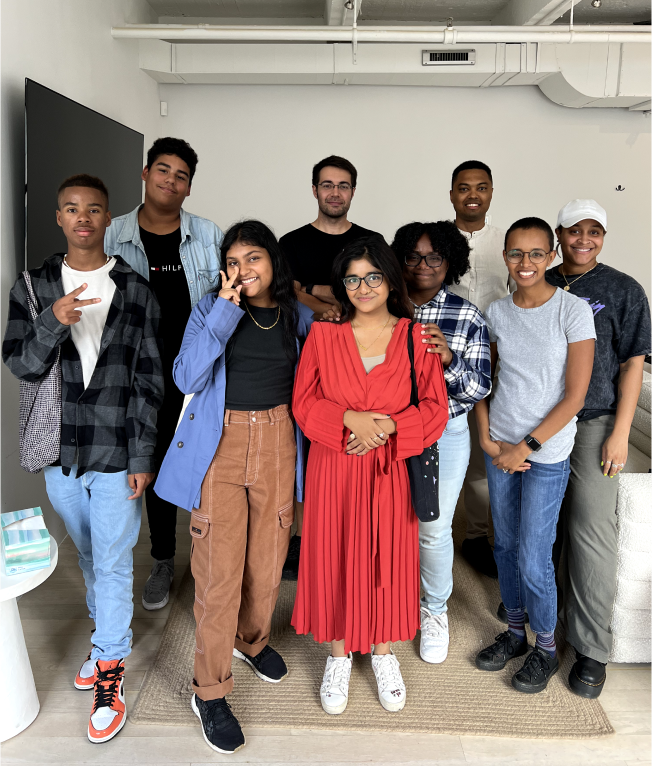
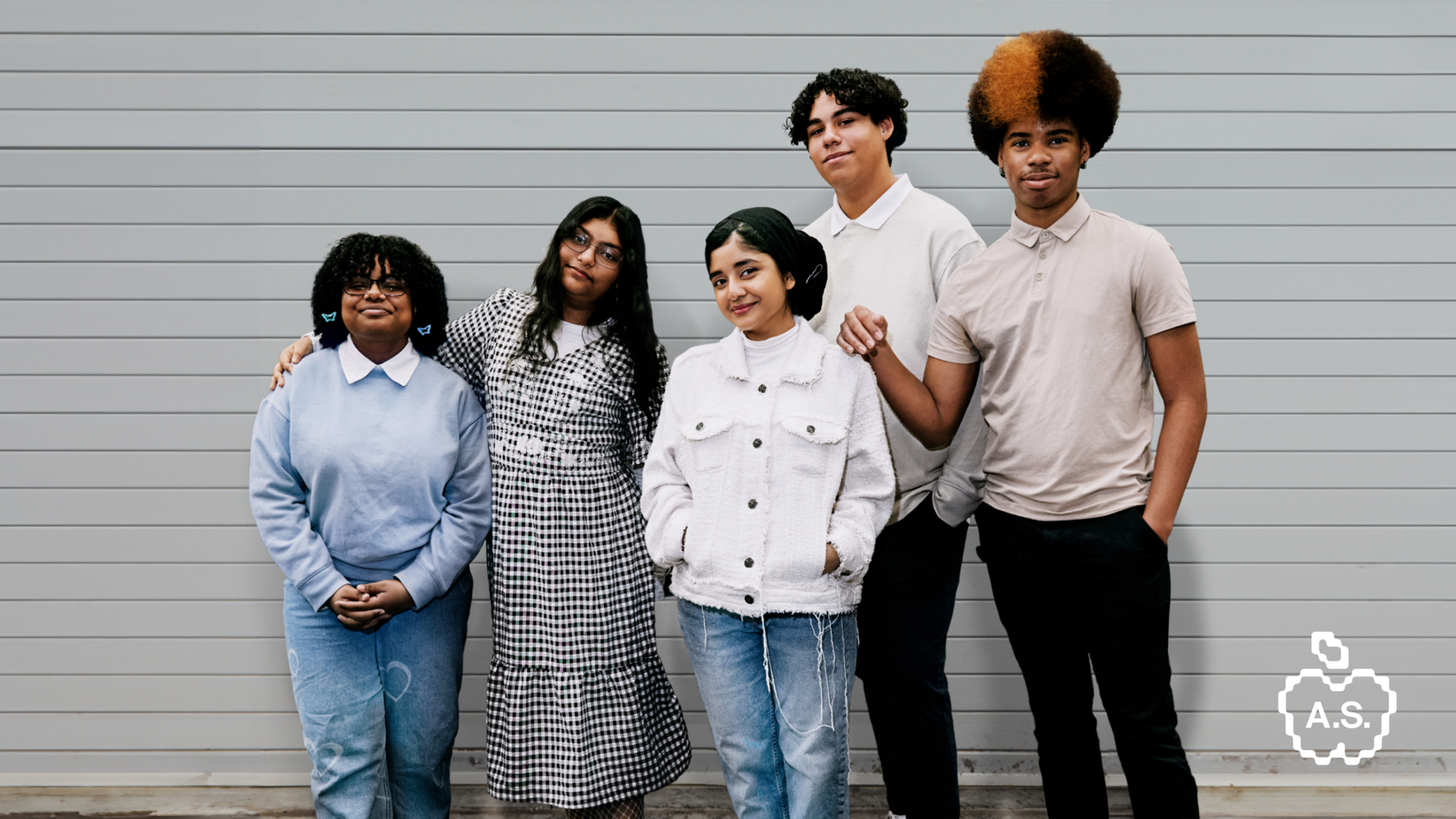
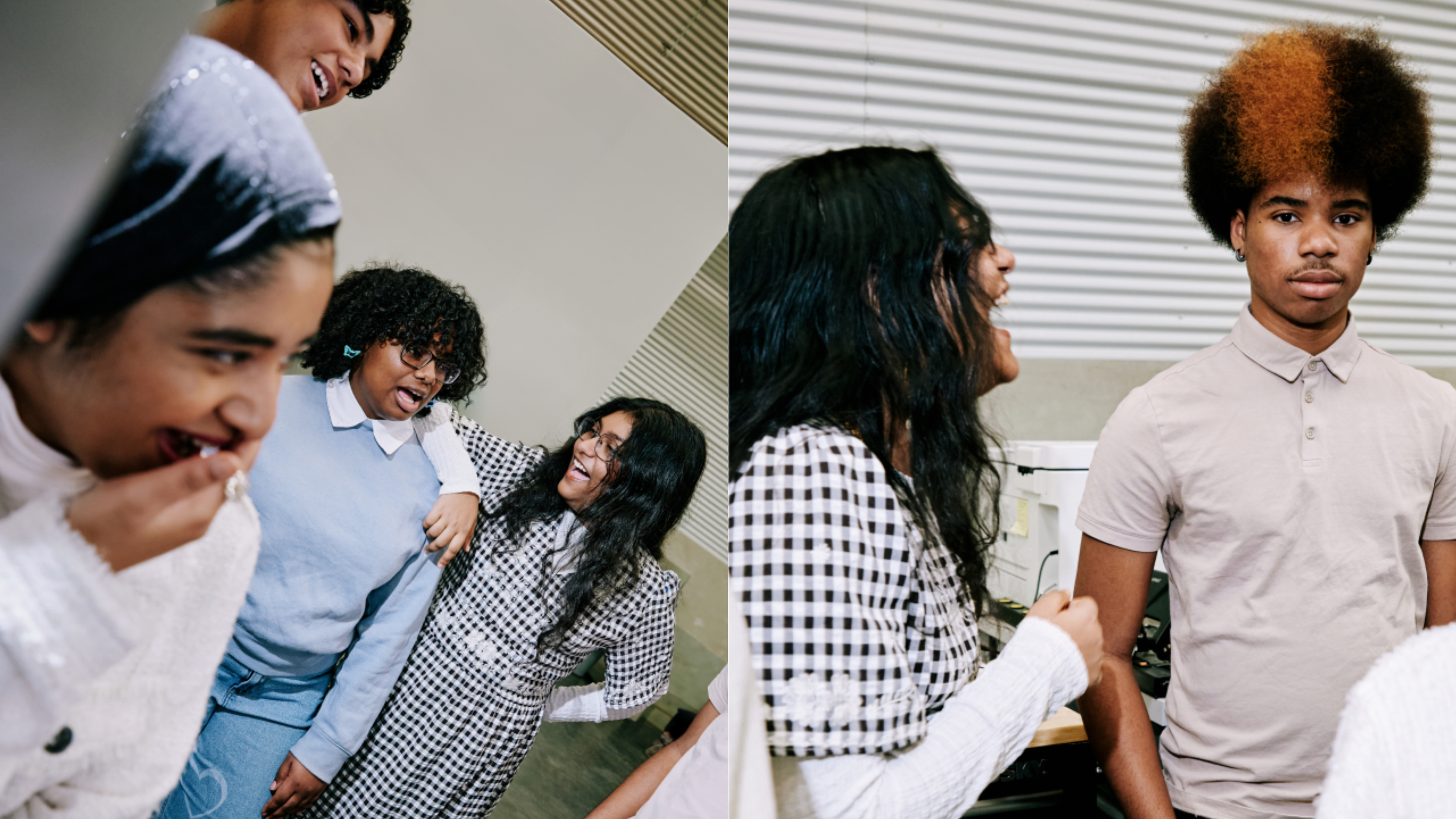
As a New York-based company, we recognize that certain areas of our backyard in Brooklyn suffer from historic underinvestment and pollution due to decades of industrial siting policies. We’re dedicated to environmental justice (EJ) and providing these communities with a voice and tools. AIR Scholars was born to support EJ efforts in NYC and, hopefully, beyond. For six weeks, our AIR Scholars pilot program welcomed five high school students from the Brooklyn Academy of Science and the Environment (BASE) to work alongside us as Environmental Justice Research Interns. Guided by Dr. Jesse John, a Geochemistry PhD and high school educator, and Dr. Carolyn Kissane, the founding Director of the SPS Energy, Climate Justice and Sustainability Lab at NYU, students learned how to dissect peer-reviewed literature, which allowed them to engage in thought-provoking discourse around environmental justice and carbon capture, utilization, and storage (CCUS) technologies.
Our goal with the AIR Scholars program is relatively simple: to show students that there is a wide variety of careers available in the climate field. Cohort 1 consisted of four rising seniors and one rising junior from Brooklyn, each in a pivotal transition phase in their lives. These students were beginning to think deeply about their potential career paths. From environmental science to marketing and communications, the AIR Scholars were exposed to the ways their skills and interests can be explored within the climate and sustainability fields.
The students’ day-to-day varied, with time split between facilities tours, literature review, SAT, and college application preparation, and one-to-one professional development mentorship with an AIRCO (formerly AIR COMPANY) teammate. Our Scholars developed critical thinking, writing, and presentation skills, which resulted in the publishing of a peer-reviewed paper in iScience (an academic journal) that synthesized their summer research findings. The research brief changes yearly, but Cohort 1 looked at the intersections between environmental justice and racism, climate change and CCUS technologies. The paper is titled AIR Scholars program: A framework for empowering future generations to address climate change and dissects case studies and answers questions that explore responsibility, burden, and community involvement in decision-making. It also includes reflections from the program administrators and mentors on the structure of the program and their experiences collaborating with AIR Scholars.