










Ethanol. Reengineered.
Ethanol. Reengineered.
Overview
Ethanol without agriculture
Ethanol without agriculture
AIRMADE® Ethanol replaces centuries-old agricultural fermentation with a precision catalytic pathway that converts carbon dioxide directly into high-purity ethanol.
By eliminating crops and biological variability, it delivers consistent quality at industrial scale. Supply is no longer tied to harvest cycles, geography, or feedstock constraints.
For global brand leaders, ethanol is a foundational ingredient. Greater control over its purity and consistency translates directly into product performance, portfolio differentiation, and long-term brand value. The platform has been market tested, with validated demand for low-carbon, high-purity alternatives.
Built on AIRCO’s proprietary AIRMADE platform, production is engineered for scalability and long-term integration with strategic partners.

Process
Engineered for consistency. Built for lower carbon.
Engineered for consistency. Built for lower carbon.
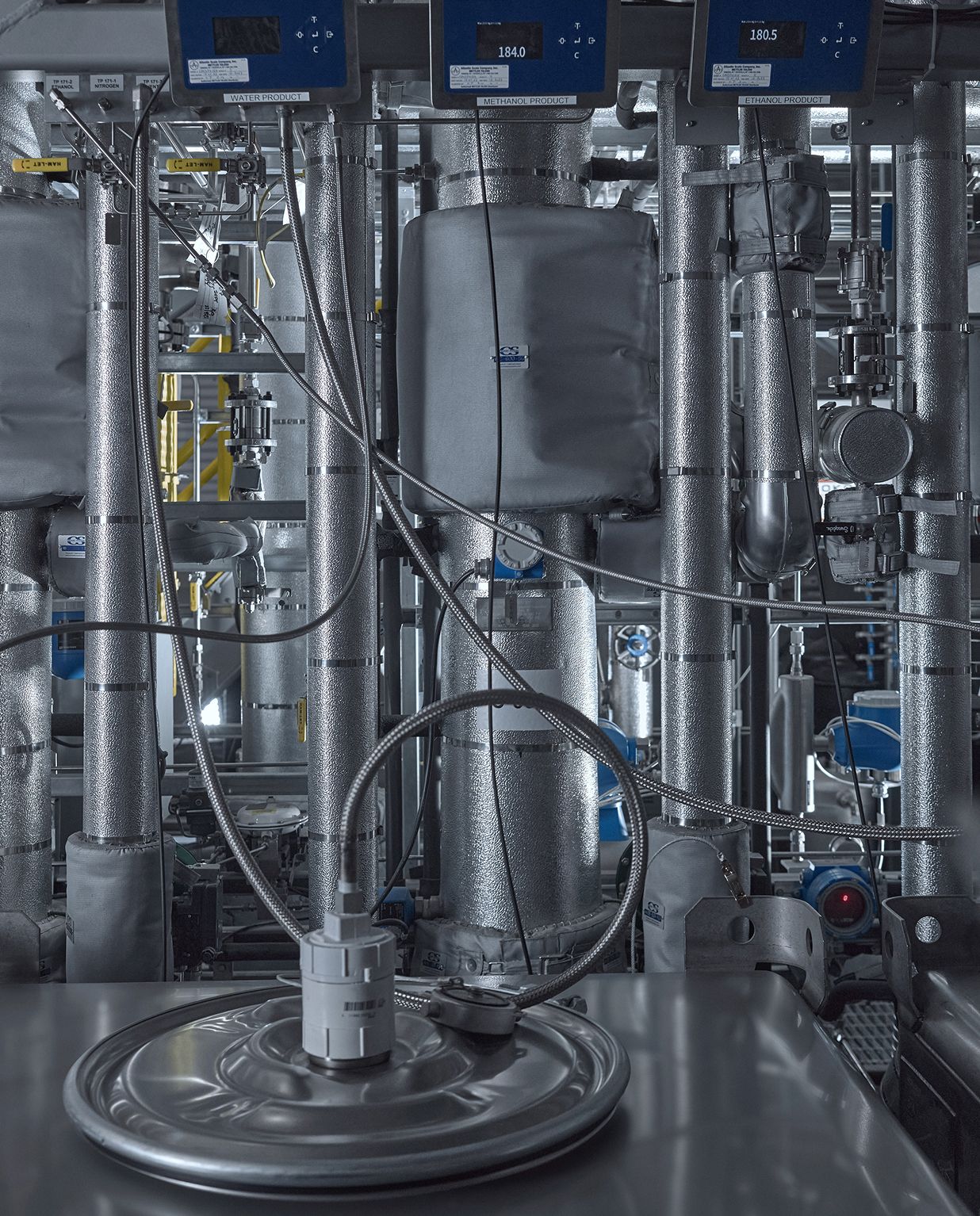
AIRMADE® Ethanol is produced through a controlled catalytic process that builds ethanol directly from carbon dioxide and hydrogen.
Eliminating fermentation allows tighter control over reaction conditions, composition, and output at scale, enabling molecular-level consistency across batches, markets, and years.
This level of control protects product integrity across markets and production cycles.
Key characteristics
Sustainable
~90% carbon retention from input to finished ethanol
~90% carbon retention from input to finished ethanol
Pure
Exceptionally low impurity profile due to non-biological conversion
Exceptionally low impurity profile due to non-biological conversion
Consistent
Stable, repeatable output suitable for industrial production
Stable, repeatable output suitable for industrial production
Precise
Precision control over batch-to-batch performance
Precision control over batch-to-batch performance
Carbon Input
Approximately one pound of CO₂ is utilized for every liter of ethanol produced.
Approximately one pound of CO₂ is utilized for every liter of ethanol produced.


A process comparison highlights differences in purity, yield, and consistency relative to conventional fermentation.
A process comparison highlights differences in purity, yield, and consistency relative to conventional fermentation.
Engineered from CO₂. Not crops.
Applications
Built for brands that define the market.
Built for brands that define the market.
AIRMADE® Ethanol is engineered for brands and manufacturers where ingredient quality directly impacts product performance, consumer perception, and pricing power.
By delivering consistent, high-purity ethanol independent of agricultural variability, it enables differentiated products built on repeatable performance at scale, creating a durable competitive advantage at the ingredient level.
It is particularly suited for premium beverage alcohol, fragrance, and flavor applications where brand reputation depends on consistency.
Primary applications

Beverage alcohol & spirits
Ultra-consistent, high-purity ethanol that enables new levels of flavor control, brand signature, and portfolio differentiation.

Fragrance & flavor formulations
Inputs with exceptional stability and predictability, protecting creative intent and supporting global scale without compromise.
Impact
Low-carbon performance without compromise
Low-carbon performance without compromise
By replacing fermentation with a catalytic pathway, AIRMADE® Ethanol reduces carbon intensity while maintaining premium quality and scalability.
This allows partners to embed measurable low-carbon performance directly into their products, strengthening brand positioning and supporting long-term regulatory resilience without sacrificing economics.
Up to ~98% lower carbon intensity
Minimal water consumption
No reliance on crops or arable land
Fully compatible with premium and performance-driven applications
Progress
Commercial Readiness
Commercial Readiness
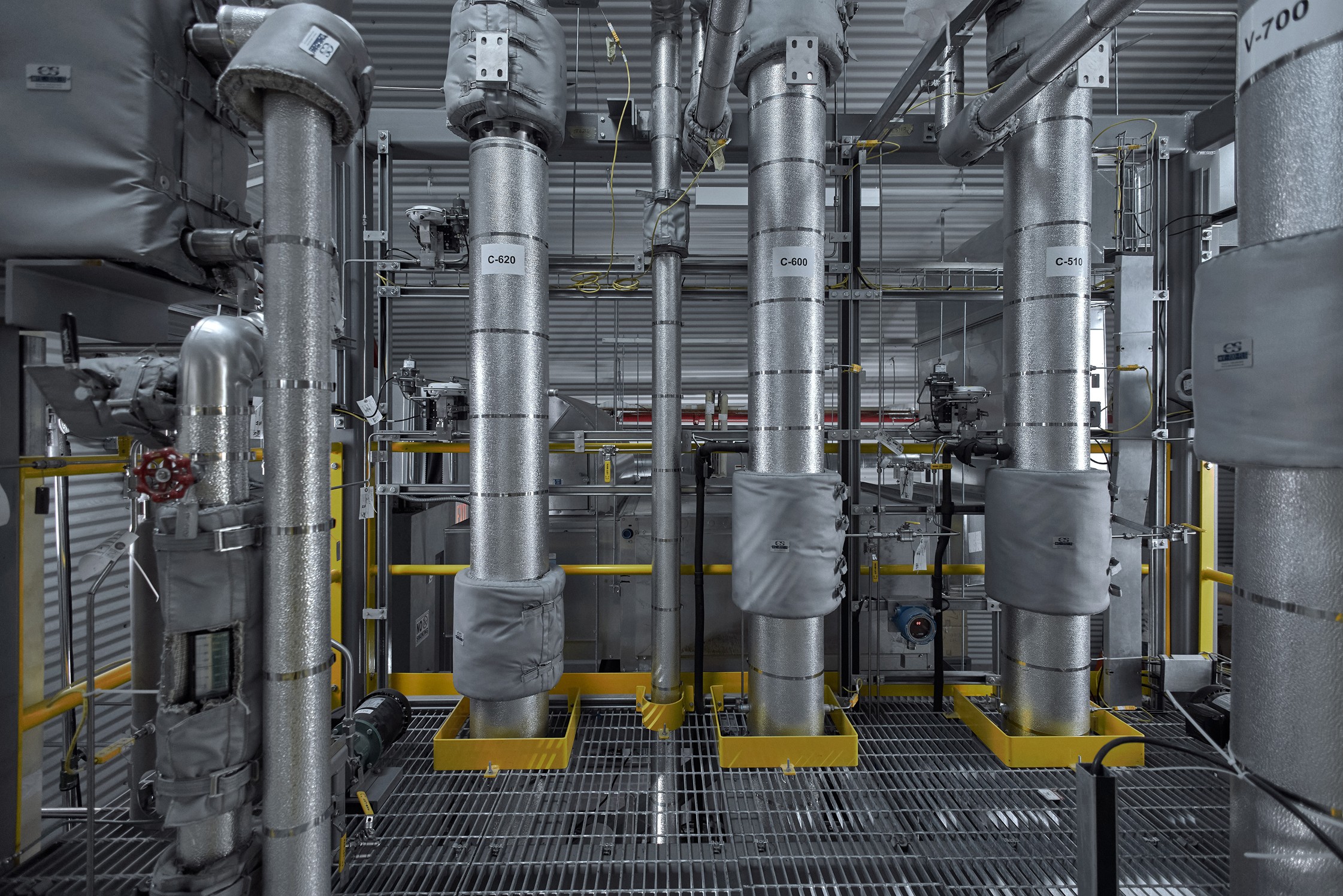
AIRCO has demonstrated the AIRMADE® Ethanol pathway under controlled operating conditions, validating core process performance, stability, and output quality.
Current Progress