
AIRCO (formerly AIR COMPANY) advances global energy security by turning carbon dioxide (CO2) into a scalable, usable resource. We develop and deploy technologies that convert CO2 into fuels and chemicals—and we build them to work where conventional infrastructure cannot be counted on. That mission shapes everything we do. Energy, defense, and space environments demand reliability. Supply chains stretch thin, logistics falter, and when fuel delivery fails, the consequences are real. We bring together catalytic chemistry, advanced manufacturing, and systems engineering to address that reality. Our production systems operate beyond centralized infrastructure and perform in the field. We prioritize solutions that work at the edge—remote, forward-deployed, and mission-critical sites. To accomplish this, AIRCO operates across two business units. One develops the technology. The other turns that technology into deployable hardware. Together, they move us from process innovation to production at scale.
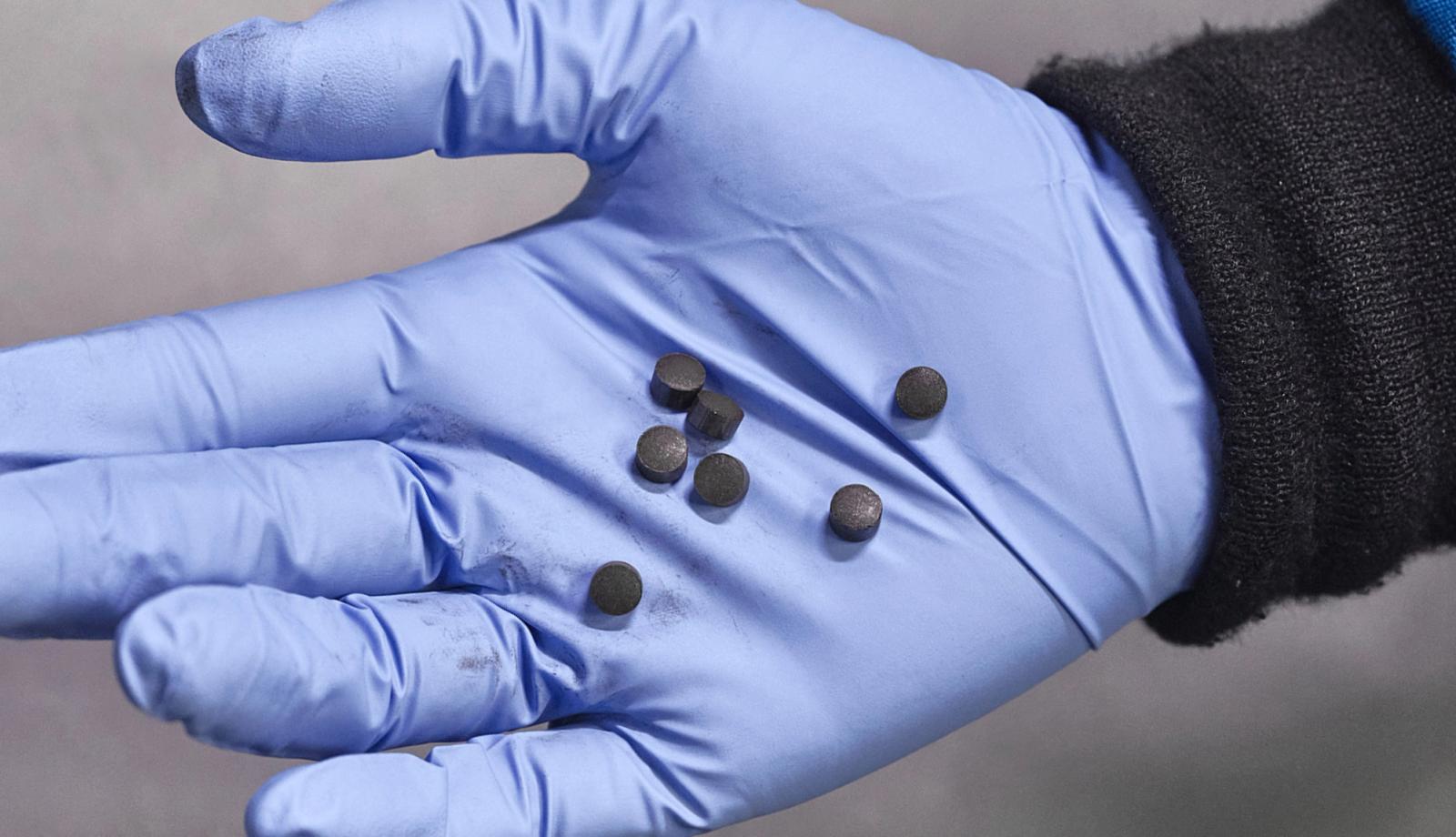
Catalysts & Processes
The first business unit centers on chemistry—specifically, developing catalytic technologies that turn CO2 into fuels and chemicals using our proprietary AIRMADE™ Technology.
What are catalytic technologies?
Catalytic technologies use specialized materials called catalysts to accelerate chemical reactions. In our case, these catalysts enable the conversion of CO2 and hydrogen (H2) into synthetic fuels and chemicals. The process mimics natural carbon cycles but operates at industrial speed and scale.
Why alternative pathways matter
Traditional fuel production relies on a narrow set of feedstocks and concentrates in large, centralized facilities. That model assumes stable supply chains and reliable access. In the environments where AIRCO operates, those assumptions do not always hold. Our process technologies address that gap. We design alternative pathways that do not depend on conventional feedstocks or centralized infrastructure. Performance and scalability drive our engineering decisions. Sustainability follows from the model, but what makes these technologies useful is their ability to work at an industrial scale and integrate without requiring a complete reinvention of existing operations.
Licensing model
Rather than building and running plants ourselves, we license our technologies to partners. This approach accelerates adoption and extends our reach to more markets than we could cover independently. Licensing lets partners integrate AIRMADE Technology into existing operations with minimal disruption.
Current Process Technologies
Technology | Definition | Primary Applications |
|---|---|---|
AIRMADE® SAF | Synthetic aviation fuel (SAF) pathway | Commercial and defense aviation |
AIRMADE® Diesel | Synthetic diesel pathway | Ground transportation, marine, industrial, and defense |
AIRMADE™ Ethanol | Synthetic ethanol pathway | Industrial applications, consumer products, fuel blending |
AIRMADE® SAF
This synthetic aviation fuel (SAF) pathway meets the performance requirements of commercial and defense aviation without relying on conventional petroleum-based production. The fuel qualifies as a drop-in solution—meaning aircraft engines require no modification to use it.
AIRMADE® Diesel
We designed this synthetic diesel pathway to be drop-in compatible with existing engines and infrastructure. Fleets can adopt it without equipment changes or operational disruption.
AIRMADE™ Methanol
Our methanol synthesis process is suitable for both chemical applications and use as a fuel or fuel precursor. The process operates from a range of feedstocks, providing flexibility across different deployment contexts.
AIRMADE™ Ethanol
This synthetic ethanol pathway targets industrial and fuel applications. Like our other processes, it converts CO2 into a usable product without dependence on agricultural feedstocks.
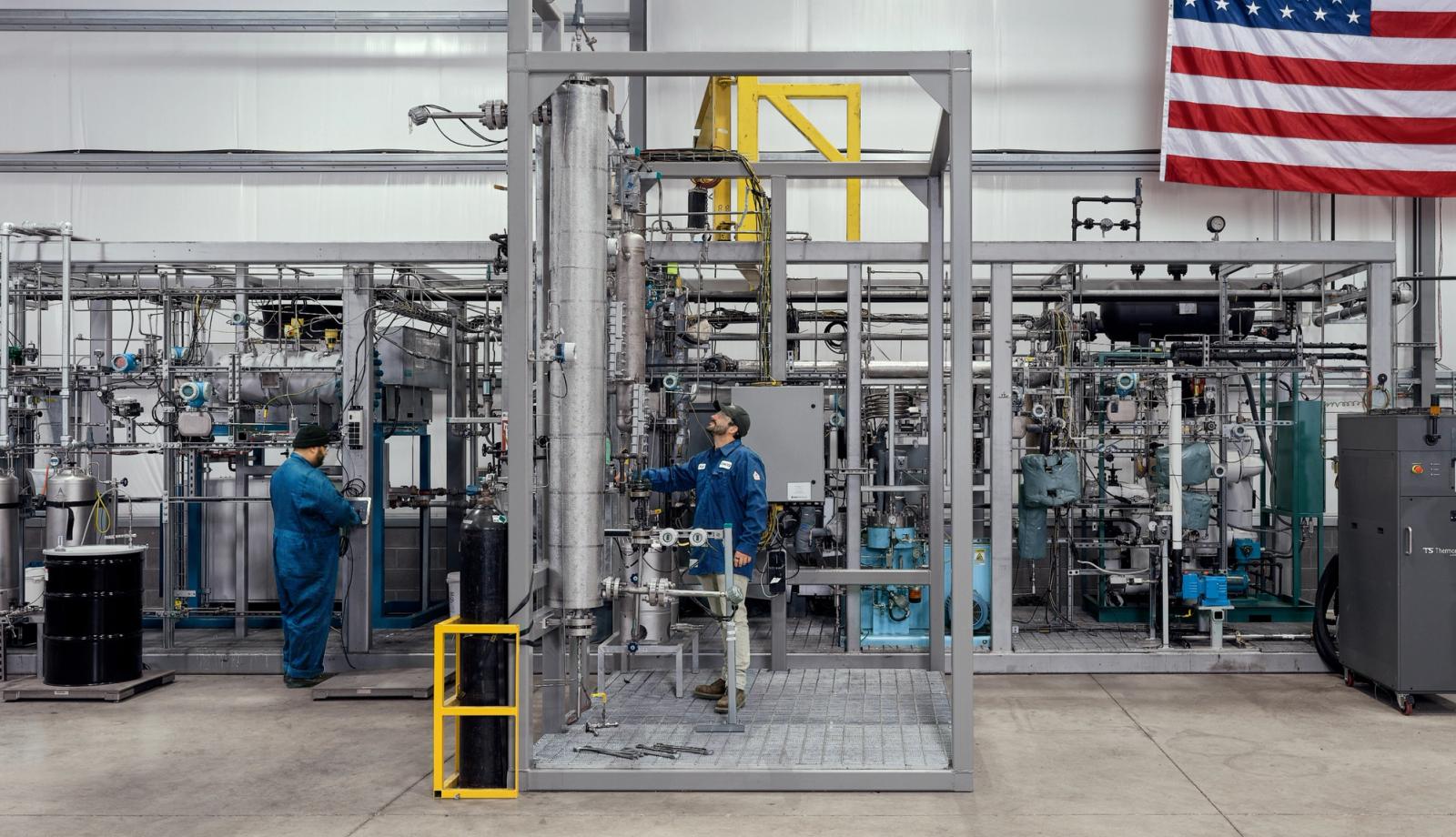
Advanced Manufacturing
The second business unit takes those synthesis pathways and builds them into hardware—physical production systems designed for deployment and operation in the field.
From process to infrastructure
This is where process technology becomes infrastructure. AIRCO designs and manufactures modular and facility-scale systems that integrate synthesis directly into the production asset itself. Instead of depending on fuel delivery to a location, you produce it there.
Decentralized energy solutions
On-site production capability matters most where conventional delivery proves unreliable. Remote operations, forward-deployed environments, and any setting where supply chain dependence creates operational risk benefit from decentralized energy solutions. Decentralized energy solutions shift production away from large, central facilities to smaller systems located where fuel is actually needed. This approach offers several advantages:
- Reduced dependence on long supply chains
- Lower exposure to delivery disruptions
- Greater operational control
- Faster response to changing demand
- Resilience against infrastructure failures
We own the full system lifecycle: design, manufacturing, deployment, and scale. That end-to-end ownership is intentional. It means we remain accountable for system performance, not just component delivery. Owning the full lifecycle shortens the path from lab to field and keeps responsibility for outcomes clearly with us.
Current production systems
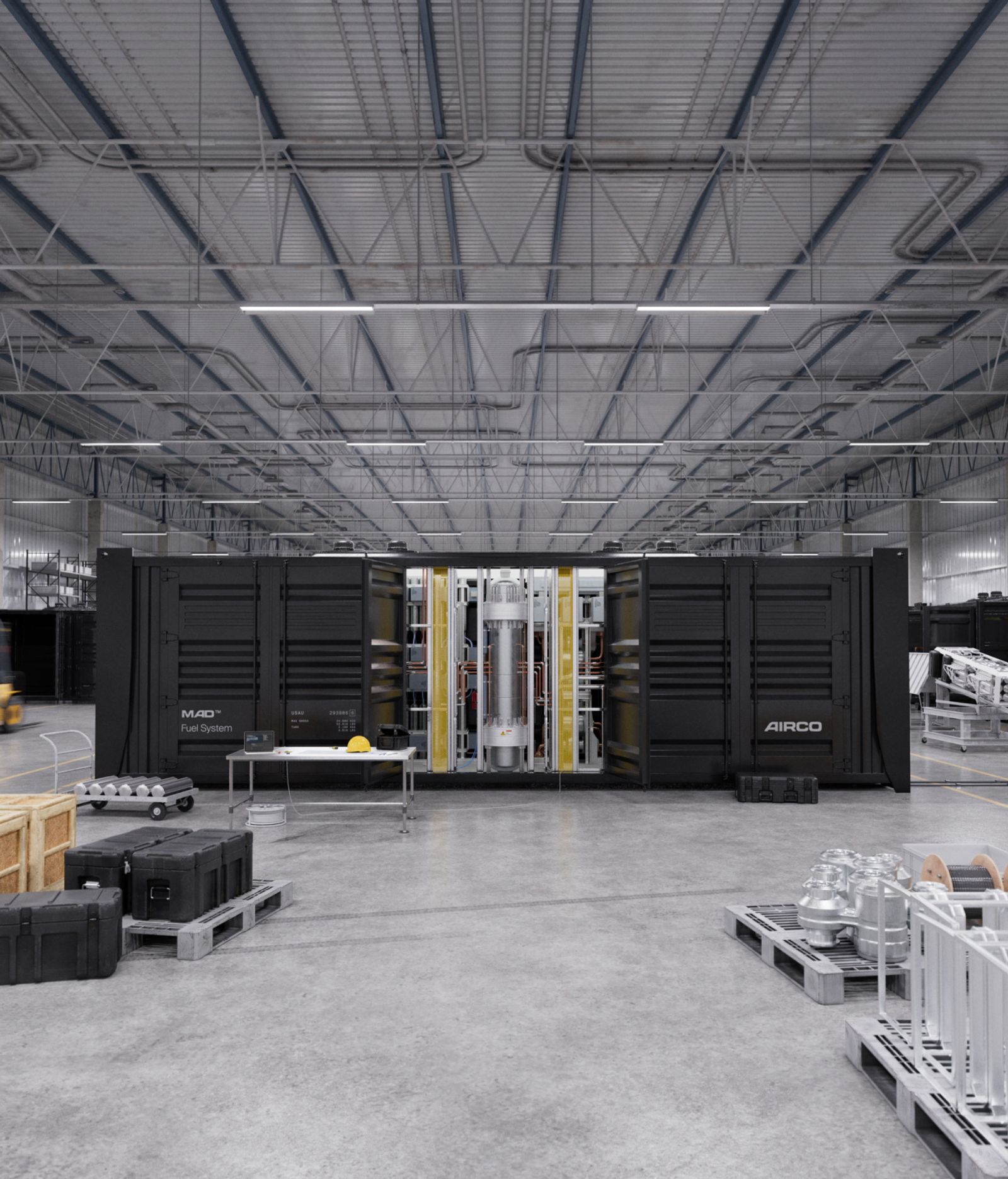
AIRCO MAD Fuel System™
This modular, deployable production system enables on-site synthetic fuel production in environments where access and reliability cannot be assumed. The system arrives ready for rapid deployment and begins producing fuel without extensive site preparation.
Key features include:
- Containerized design for transport flexibility
- Rapid deployment timeline
- Operation from locally available inputs
- Minimal infrastructure requirements
- Remote monitoring capability
AIRCO SAF Factory
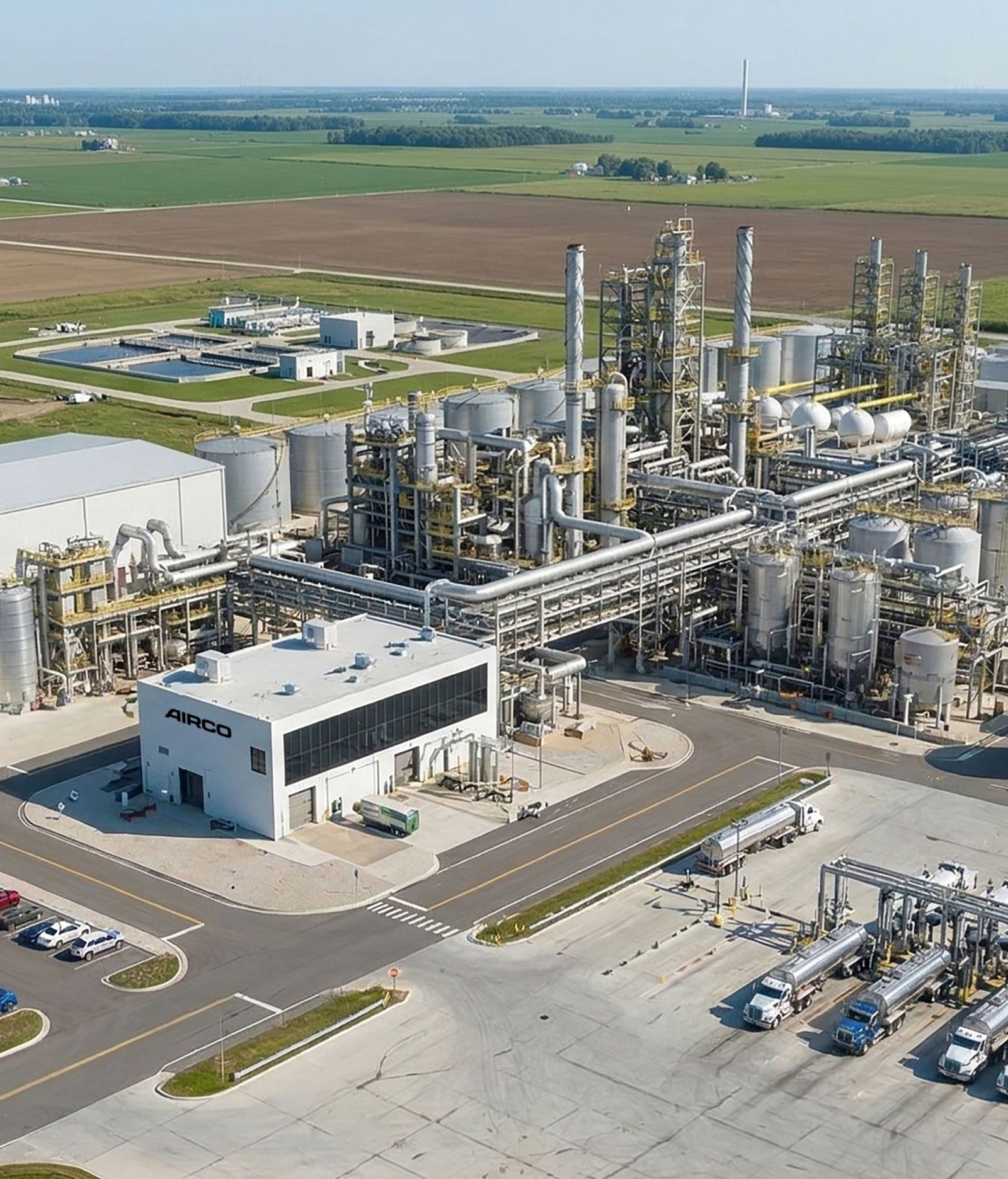
This facility-scale system will produce synthetic aviation fuel (SAF) at volumes suitable for integration into existing aviation fuel supply infrastructure. We design each factory to meet the specific requirements of its deployment site while maintaining the performance standards AIRMADE Technology delivers.
Key features include:
- Industrial-scale production capacity
- Integration with existing fuel distribution systems
- Consistent fuel quality meeting aviation specifications
- Scalable design for capacity expansion
How the Two Units Work Together
Our business units operate in sequence but remain tightly connected. AIR&D, our research and development engine, advances the underlying chemistry. The Catalysts & Processes unit refines those discoveries into licensable technologies. The Advanced Manufacturing unit then transforms those technologies into deployable systems. This structure allows us to maintain progress on multiple fronts simultaneously. New catalyst improvements flow into existing system designs. Field performance data informs the next generation of process development. The feedback loop between units accelerates innovation across the company.
Frequently Asked Questions (FAQ)
How does AIRCO's technology work?
We use catalytic processes to combine CO2 and H2 into synthetic fuels. Our AIRMADE Technology enables this conversion at an industrial scale. The resulting fuels are chemically identical to their petroleum-derived counterparts and function as drop-in replacements.
What are the benefits of on-site fuel production?
On-site production eliminates dependence on external fuel delivery. This reduces supply chain risk, lowers logistics costs, and provides operational certainty in environments where delivery reliability cannot be guaranteed.
Can AIRCO systems operate in remote locations?
Yes. We design our modular systems specifically for deployment in challenging environments. The AIRCO MAD Fuel System requires minimal infrastructure and operates where conventional fuel delivery is impractical or impossible.
Are AIRCO fuels compatible with existing equipment?
Our synthetic fuels function as drop-in solutions. Engines, storage tanks, and distribution systems designed for conventional fuels work with AIRMADE® products without modification.
How does AIRCO support sustainability goals?
Our technologies convert CO2, a greenhouse gas, into useful products. This approach supports carbon utilization rather than carbon emission. Organizations using AIRMADE® fuels can reduce their net carbon footprint while maintaining operational capability.
Partner with AIRCO
We work with government agencies, aviation partners, and industrial organizations seeking resilient energy supply solutions. Whether you need licensed technology for your own facilities or turnkey production systems for field deployment, we offer pathways to partnership.
Learn how you can partner with AIRCO to advance your energy security goals here.