
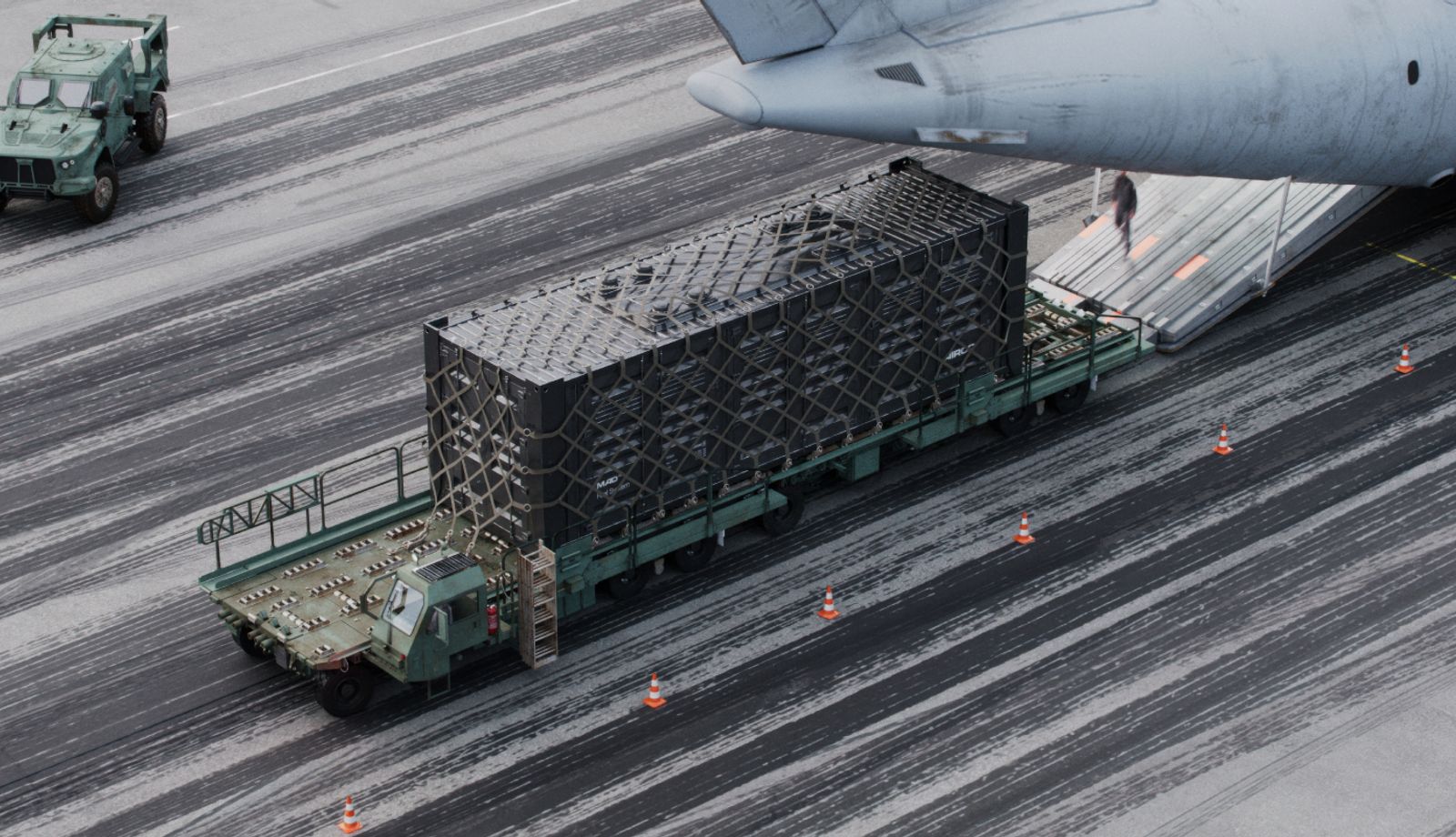
Energy security has never been more critical. The AIRCO MAD Fuel System™ represents a fundamental shift in how and where fuel can be produced by transforming carbon and hydrogen into drop-in-ready synthetic fuels directly at the point of use.
How Does Decentralized Fuel Production Improve Energy Security?
Energy security means having a stable, localized, and affordable energy supply. When energy systems are secure, economies become more resilient, supply chains grow less vulnerable, and nations gain better protection from price spikes, fuel shortages, and geopolitical manipulation.
At its core, energy security requires two critical components: diversifying energy sources and building resilient infrastructure for fuel production and storage. Traditional fuel supply chains, which are dependent on centralized refineries, long-distance transportation, and complex logistics, create vulnerabilities that can destabilize entire operations when disrupted.
Today, energy security is no longer optional. It's essential for both defense readiness and civilian infrastructure.
How Does the AIRCO MAD Fuel System Work?
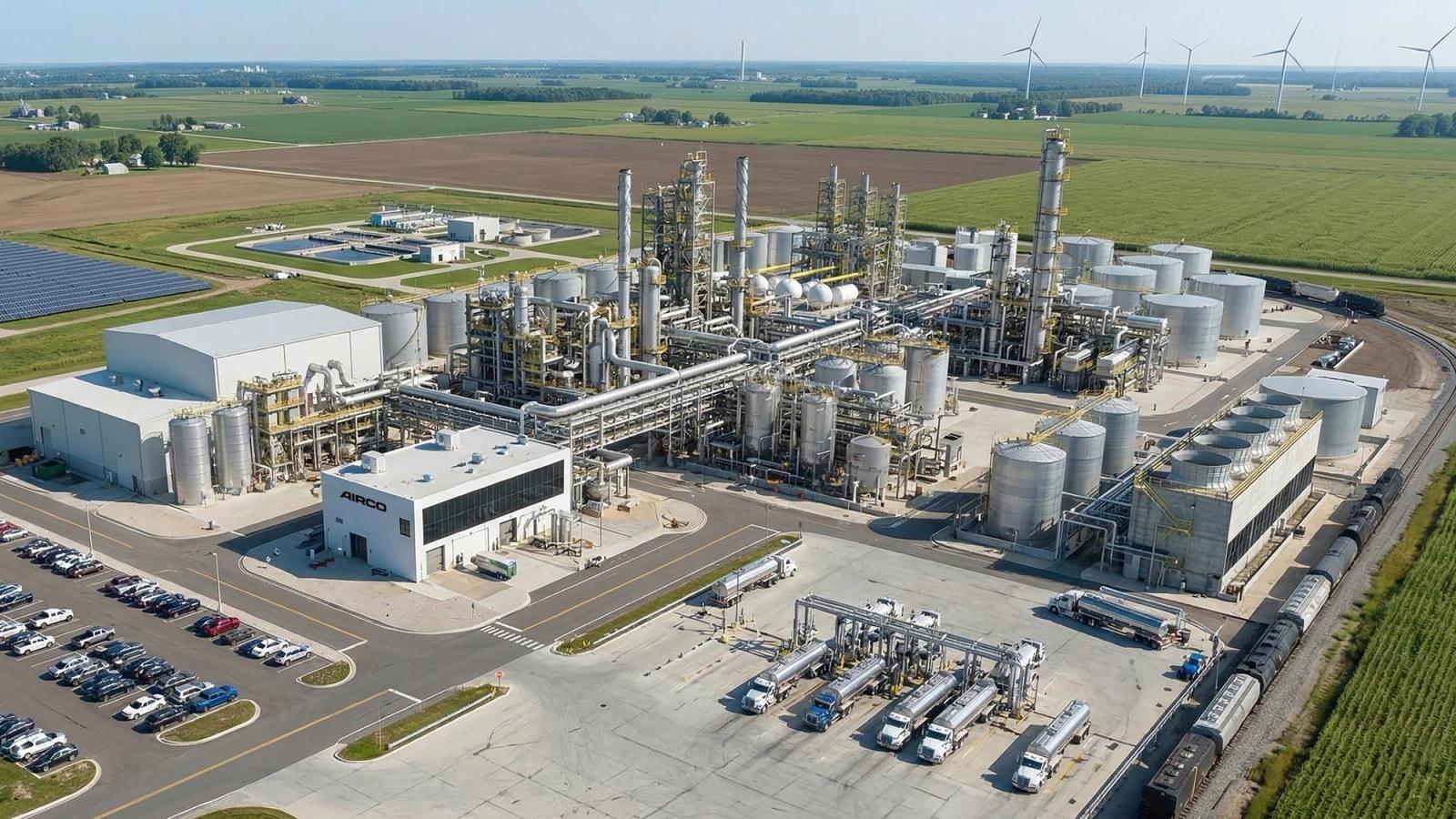
At AIRCO, we’re addressing this challenge head-on. Working directly with the U.S. Air Force and the Department of War (DoW), we’re developing next-generation energy solutions, including the current development of our mobile, adaptable, and dynamic (MAD) Fuel System.
What the MAD System Does
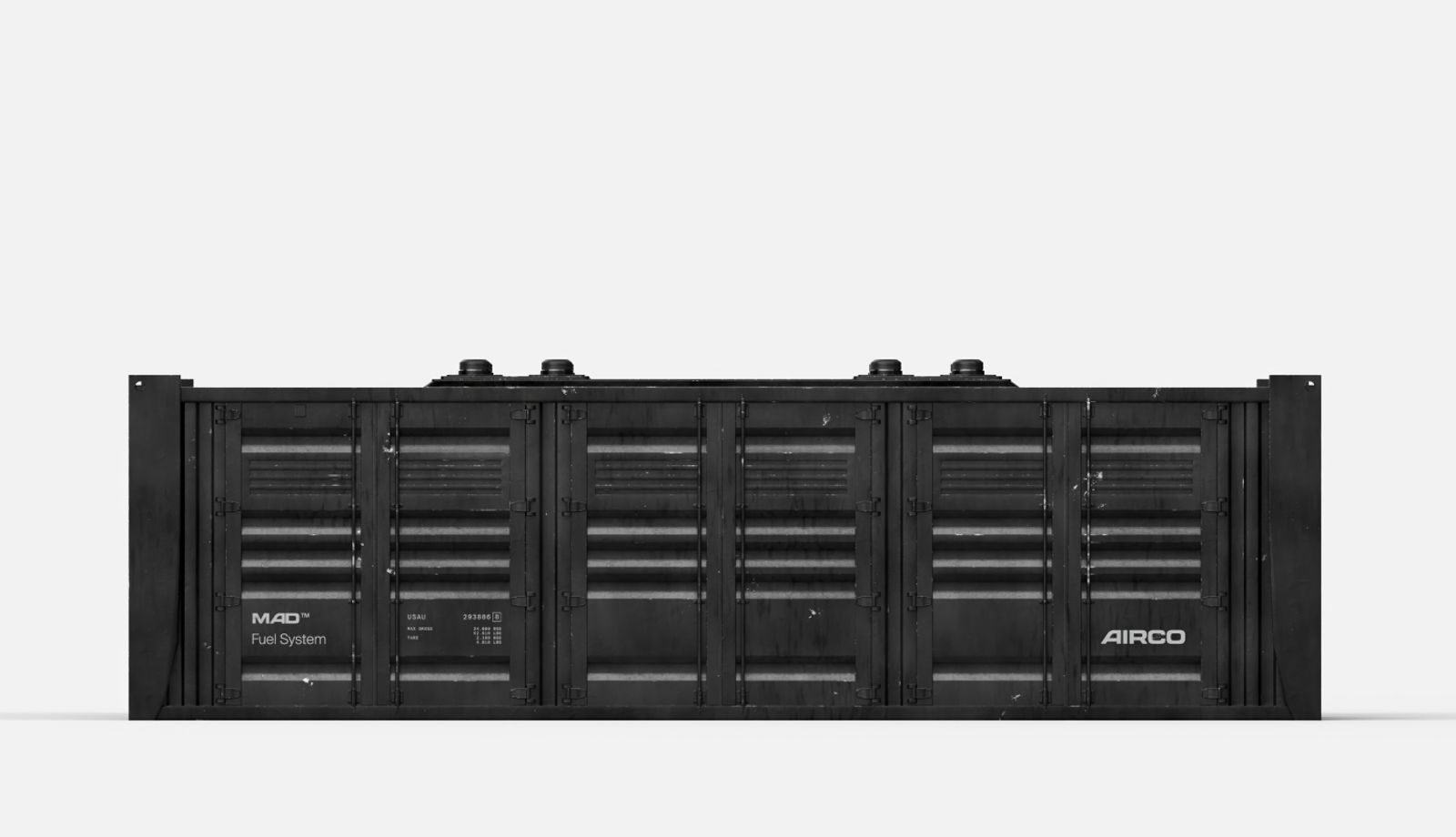
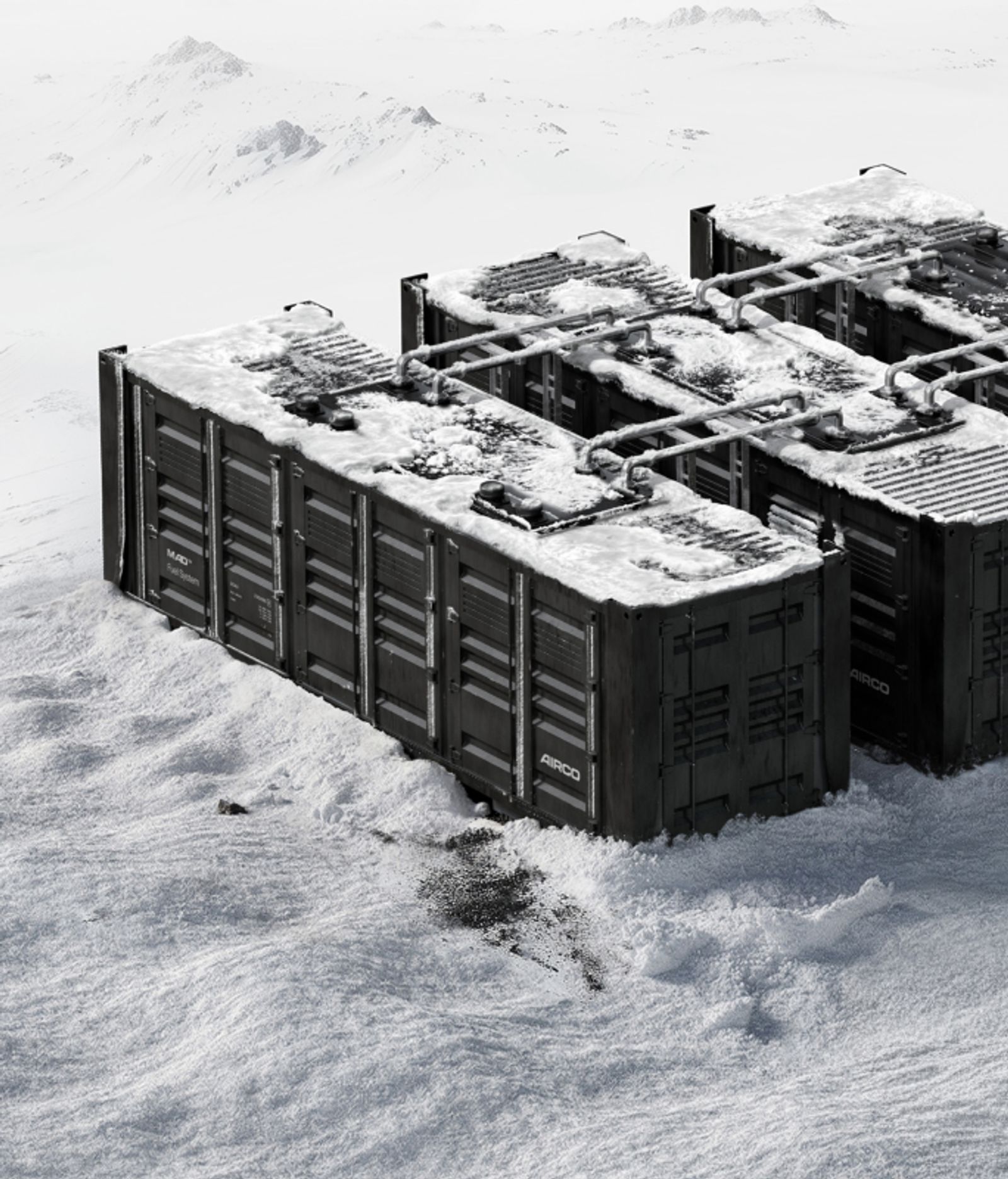
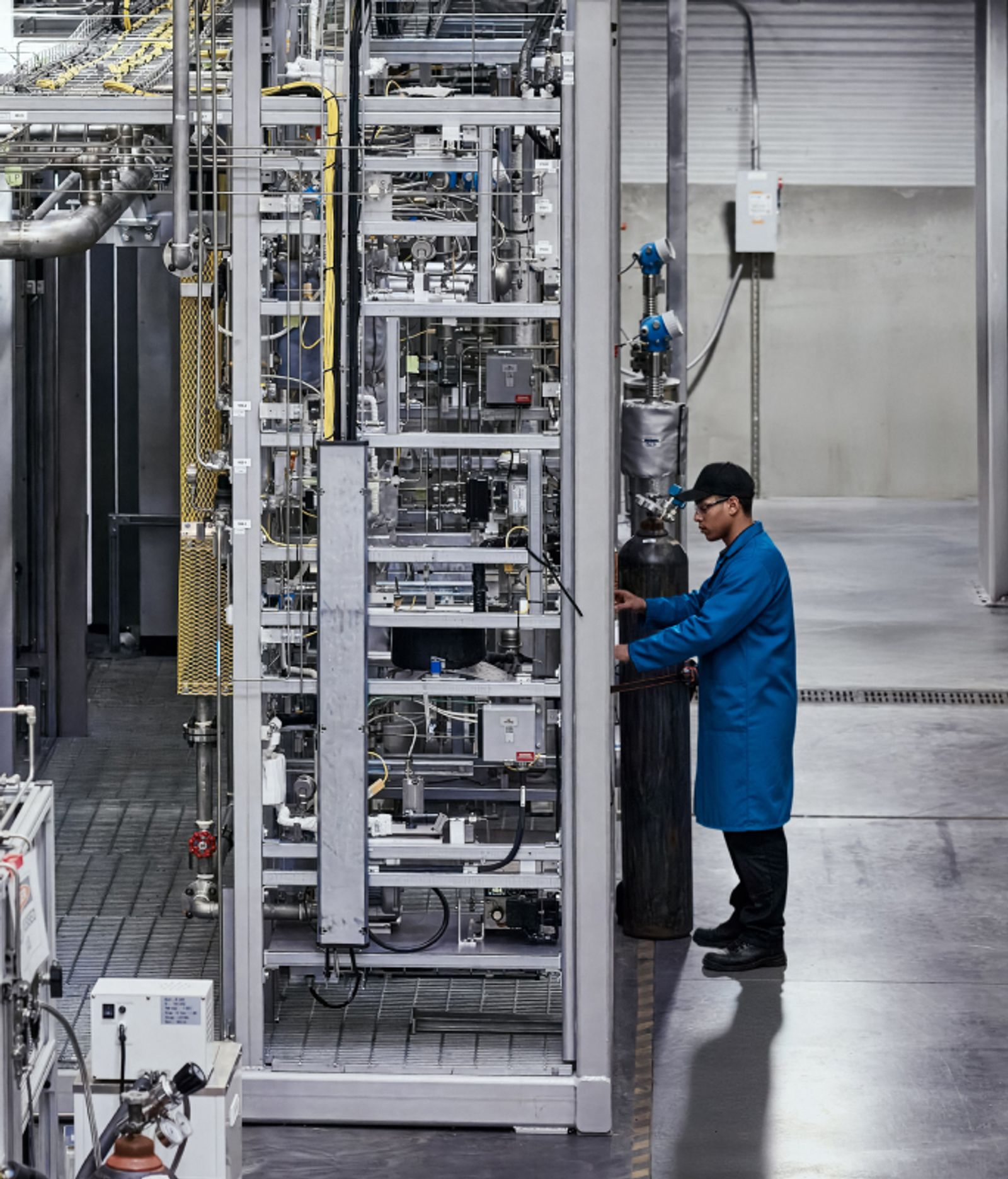
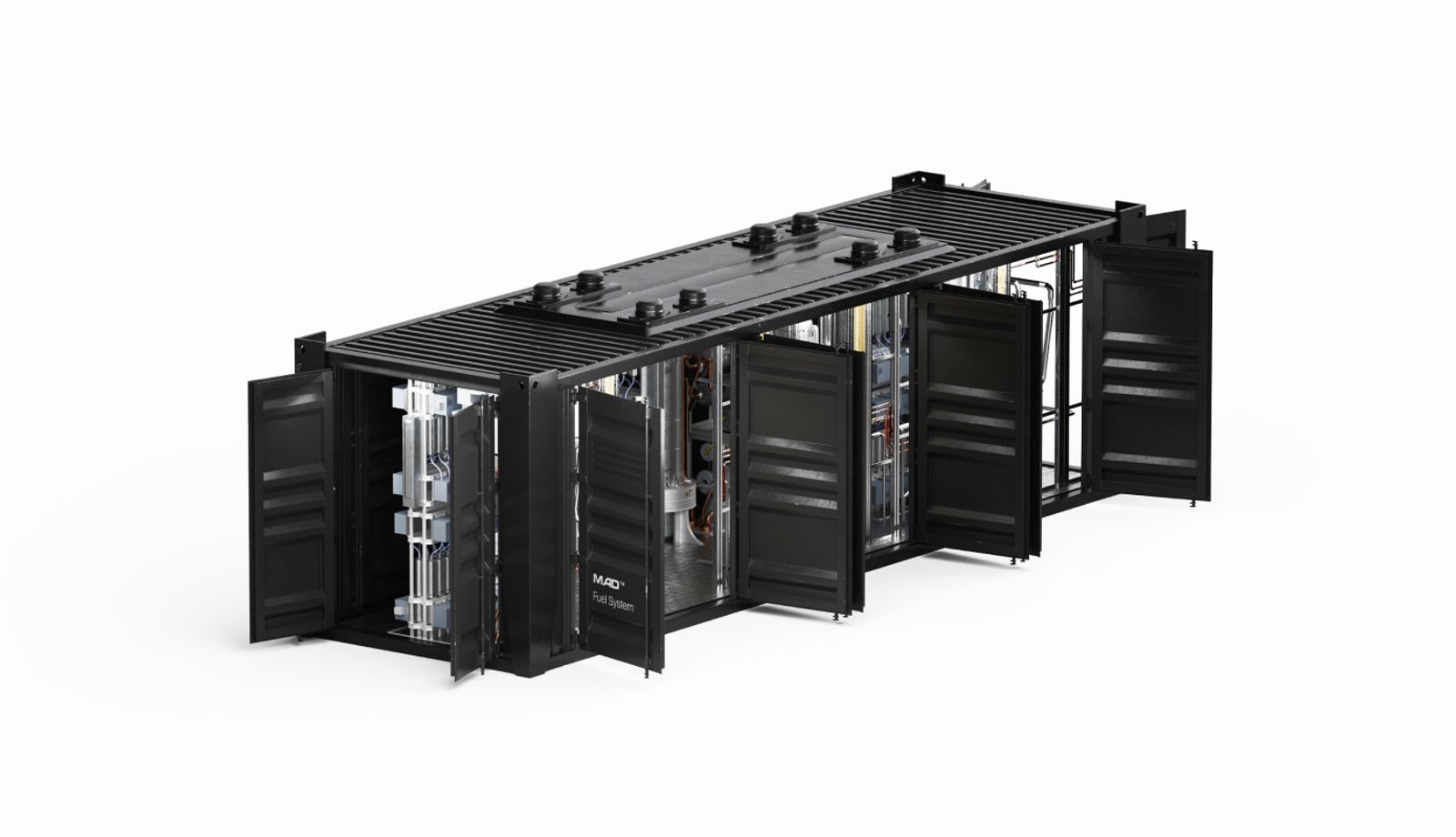
The MAD System will be an autonomous, deployable, containerized technology platform designed to produce fuel anywhere in the world. Built through advanced manufacturing, the system converts captured carbon dioxide (CO₂) and hydrogen (H₂) created through water electrolysis into fully formulated, drop-in-ready synthetic fuels.
A drop-in solution means these fuels require no modifications to existing engines, infrastructure, or logistics. The MAD System produces:
- Jet A-1 equivalents for aviation
- Diesel equivalents for ground operations
- Other synthetic fuels, as mission requirements dictate
How Decentralized Fuel Production Works
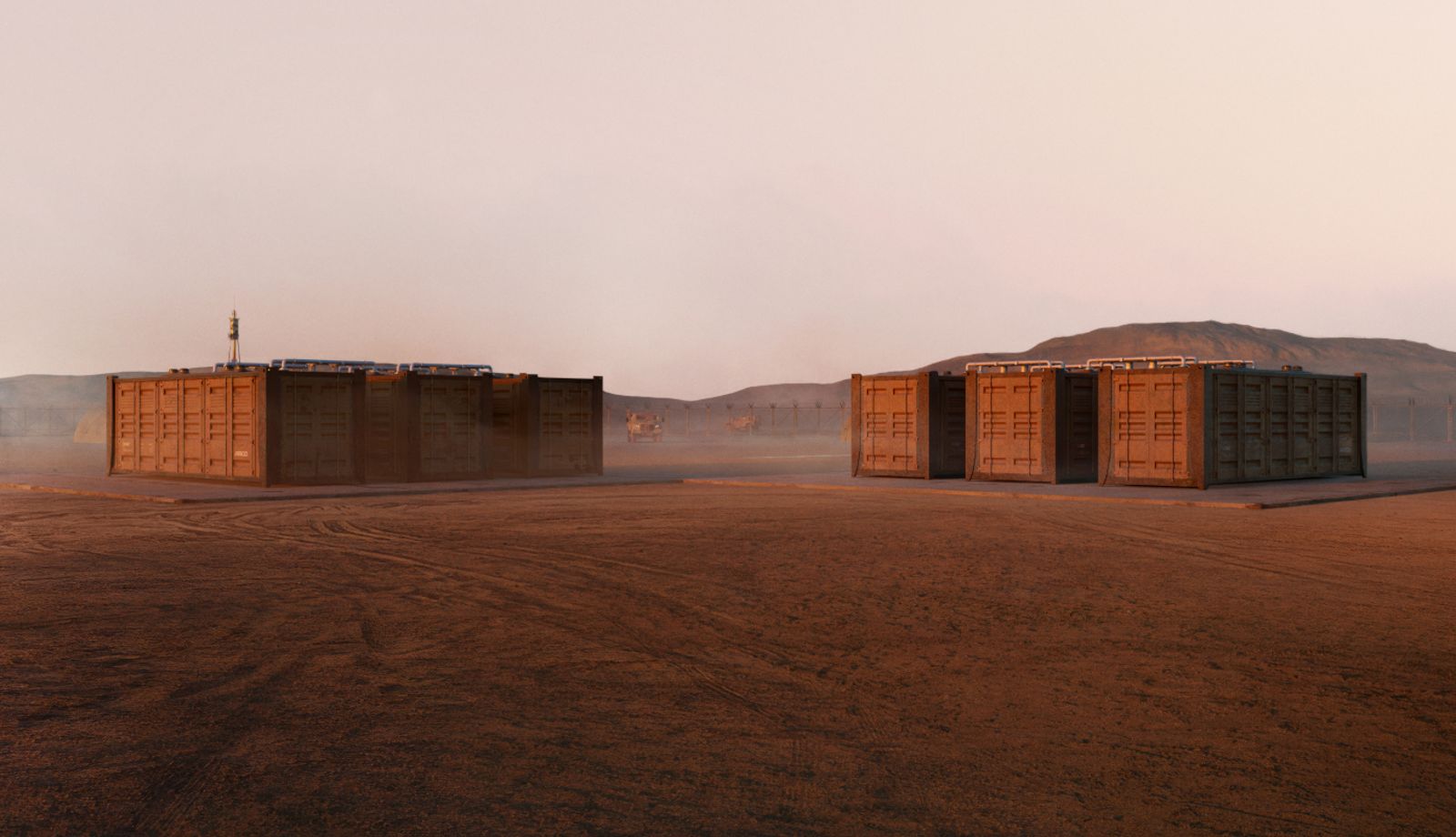
By enabling fuel production directly at the point of use, the MAD Fuel System dramatically reduces dependence on traditional fuel supply chains. Decentralized fuel production shifts manufacturing from centralized refineries to portable, on-site units that operate wherever they’re needed.
This approach eliminates the vulnerabilities inherent in long supply lines—fuel convoys, storage depots, and distribution networks that can be disrupted by natural disasters, geopolitical conflicts, or infrastructure failures. In contested environments, where transporting fuel can be both high-risk and high-cost, producing fuel on-site is not only more resilient but significantly more cost-effective.
The Path to Autonomous Fuel Networks
We have a clear roadmap toward full autonomy. In its ultimate form, networks of these systems will operate as an intelligent, self-optimizing “fuel swarm,” autonomously coordinating production in real time to ensure fleets never run dry.
How Does MAD Produce Synthetic Fuel On-Site?
The MAD System converts CO2 and H2 into synthetic fuels using our proprietary AIRMADE™ Technology. This carbon conversion process converts CO2 into energy-dense liquid fuels through chemical reactions.
Core Technical Capabilities
The MAD system requires CO2, hydrogen, and electricity as inputs. Feedstock-agnostic means the system is not limited to a single source of CO2. It can also use energy from different sources:
- Solar power
- Wind energy
- Nuclear power
- Grid electricity
- Hybrid configurations
The system’s containerized design enables rapid transport, setup, and deployment. Each unit is self-contained and transportable, making it ideal for remote locations, forward operating bases, or areas with limited infrastructure.
Scalability and Configuration Options
The MAD System operates in multiple configurations:
- Standalone units for small-scale, localized production
- Networked arrays for higher-volume operations
- Distributed networks that coordinate across geographic regions
This scalability and modularity allow the system to adapt to needs in real time, from supporting a single installation to powering an entire fleet.
Where Can Decentralized Fuel Production Be Used?
Defense and Military Applications
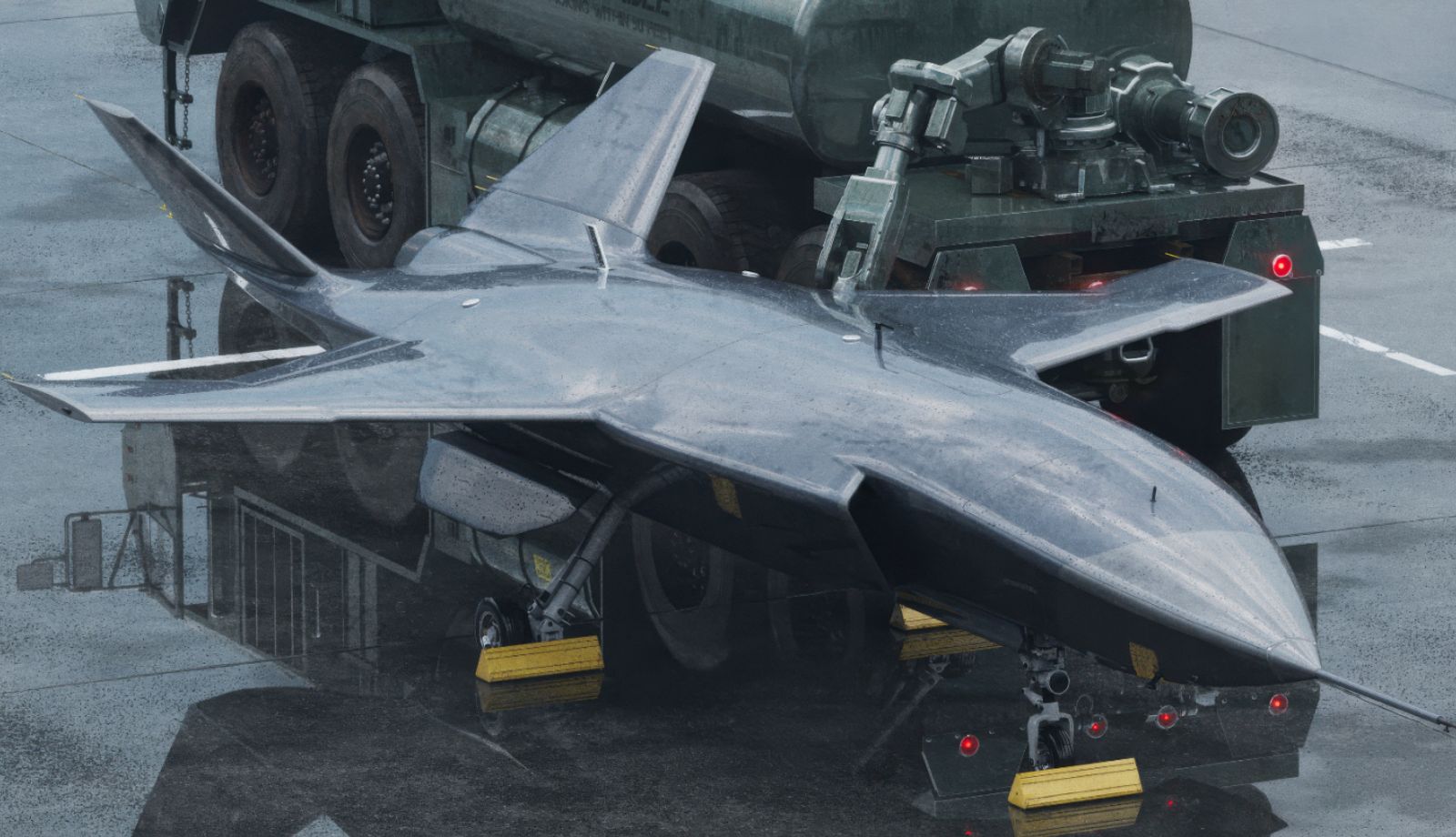
The MAD System strengthens operational resilience by producing fuel directly where it's needed. Military operations will no longer depend on vulnerable supply lines that can be targeted or disrupted. Forward operating bases will gain fuel independence, reducing logistical footprints and increasing mission flexibility. Key defense benefits include:
- Lower full-burdened production and logistical costs
- Reduced fuel convoy personnel requirements
- Enhanced operational security
- Greater mission flexibility
- Improved readiness in contested environments
Civilian and Commercial Applications
Beyond defense, the MAD System offers solutions for civilian infrastructure and commercial operations.
- Remote industrial sites that lack access to traditional fuel infrastructure
- Aviation facilities seeking to reduce carbon emissions while maintaining operational continuity
- Emergency response operations requiring rapid fuel deployment
- Island communities with limited fuel storage and high transportation costs
| Centralized fuel logistics | AIRCO MAD Fuel System  |
|---|---|---|
Production Model | Centralized refinery production | On-site production at point of use |
Supply Chain | Long, transport-dependent supply chains | No long-haul transport required |
System Resilience | Vulnerable single points of failure | Distributed, failure-resilient systems |
Operational Context | High risk in remote or contested areas | Built for contested environments |
Fuel Availability | Tied to delivery schedules | Matched to real-time demand |
Logistical Burden | High cost and exposure | Reduced risk and complexity |
How Is AIRCO Scaling the MAD Fuel System?
Supported by a Strategic Funding Increase (STRATFI) award from AFWERX, the innovation arm of the Department of the Air Force (DAF) and a directorate within the Air Force Research Laboratory, the MAD Fuel System is under development, with a target completion date of early 2027. Demonstration with the DoW to follow shortly after.
This funding accelerates not only the MAD System itself but also AIRCO’s commercial fuel demonstration plant, which is currently in progress.
How Does Distributed Fuel Production Improve Resilience?
Energy security is no longer defined by centralized supply chains. It's defined by adaptability, resilience, and the ability to generate energy directly where and when it's needed.
A Shift in Energy Infrastructure
The MAD Fuel System represents a shift toward a future where fuel production is decentralized, intelligent, and responsive to real-world conditions. Traditional models that rely on large-scale refineries and global distribution networks are giving way to flexible, deployable systems that operate at the edge.
This transformation addresses several critical challenges:
Geopolitical risk: Nations gain independence from foreign fuel sources
Climate resilience: Distributed systems withstand natural disasters better than centralized infrastructure
Economic stability: Localized production reduces exposure to global price volatility
Operational flexibility: Fuel availability adapts to changing demand in real time
Carbon Utilization as a Strategic Advantage
By transforming CO2 into fuel at the point of need, we're helping to build a more secure and flexible energy system. Carbon utilization turns a waste product into a strategic resource, creating value from emissions while strengthening energy independence.
The MAD System demonstrates that carbon conversion isn't just an environmental solution. It's a security solution, an economic solution, and an operational solution.
Decentralized Fuel Production FAQs
What makes the MAD System different from traditional fuel production?
The MAD System produces fuel on-site from CO2 and H2, eliminating the need for petroleum extraction, refining, and long-distance transportation. It's deployable, scalable, and operates on diverse energy sources.
Are the fuels produced by the MAD System compatible with existing equipment?
Yes. The synthetic fuels produced are drop-in solutions, meaning they can be used in existing engines, aircraft, and vehicles without modification.
How quickly can the MAD System be deployed?
The containerized design enables deployment in days rather than the months or years required for traditional fuel infrastructure.
What energy sources power the MAD System?
The system is feedstock-agnostic and operates on solar, wind, nuclear, grid electricity, or hybrid configurations.
When will the MAD System be available?
The system is scheduled for completion in early 2027. Demonstrations with the Department of War will begin shortly after.
Building a More Resilient Fuel Supply
The MAD System is a tangible step toward a world where energy security is no longer a vulnerability but a strength. By decentralizing fuel production and enabling on-site manufacturing, we're creating infrastructure that adapts to operational needs rather than constraining them.
Energy security in 2026 and beyond requires systems that are mobile, intelligent, and resilient. The AIRCO MAD™ Fuel System delivers all three—transforming how fuel is produced, distributed, and secured for defense and civilian applications alike.
Learn how you can partner with AIRCO (formerly Air Company) to advance energy security and decentralized fuel production here.