





Energy Security Starts at Home: Why Europe and East Asia Need Domestic Fuel Production
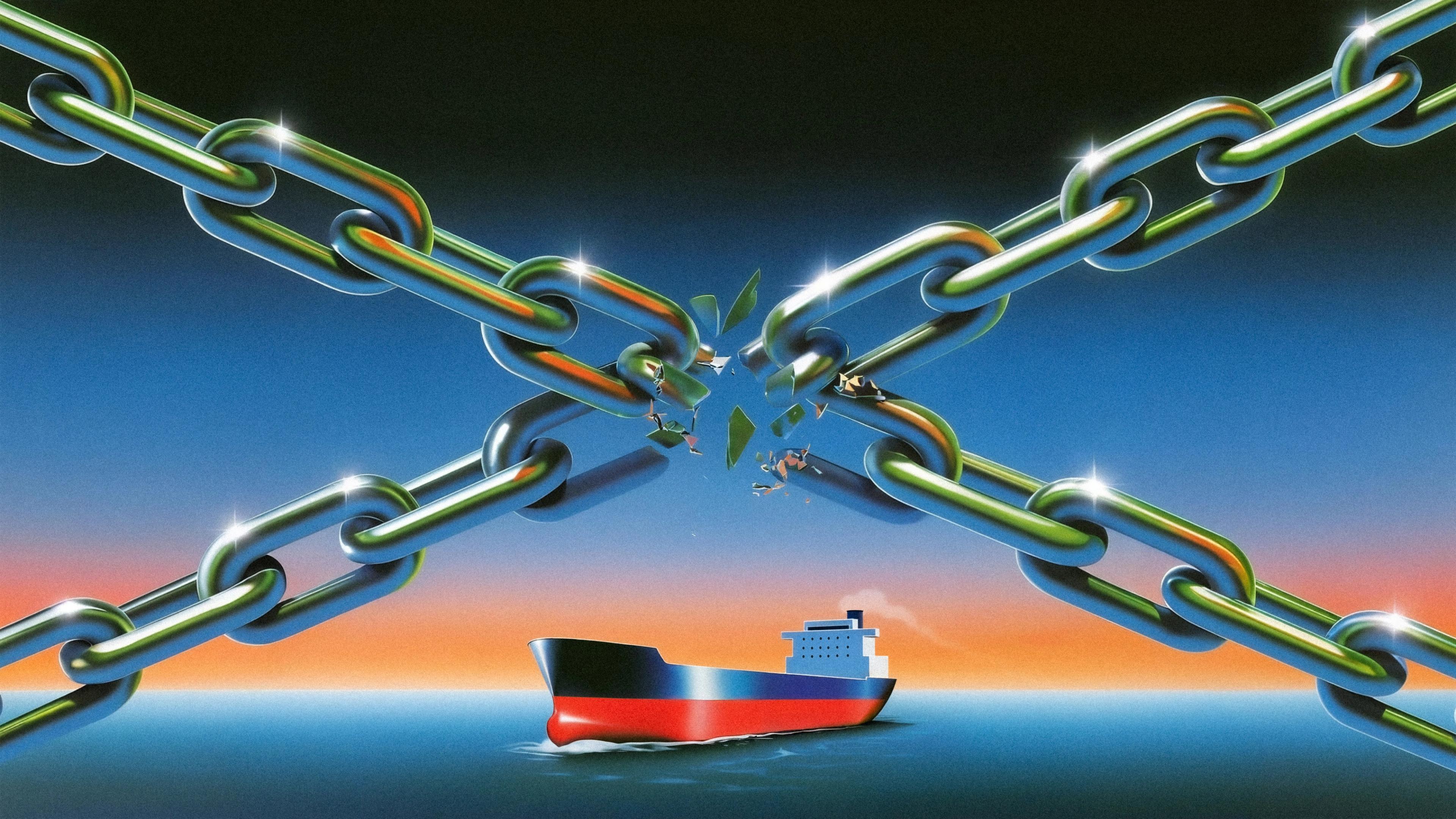
Fuel powers the systems we depend on every day—moving goods, transporting people, and keeping our homes running. At AIRCO, we believe energy resilience starts at home. Synthetic fuels are a practical way to build fuel supply chains that no foreign conflict can break.
The Invisible Backbone:
Why Fuel Systems Matter
The Invisible Backbone:
Why Fuel Systems Matter
The systems that run our daily lives often go unnoticed. We take them for granted until they break down, and fuel sits at the foundation of nearly all of them.
Energy resilience is the ability of a nation's energy system to withstand, adapt to, and recover from disruptions—whether caused by geopolitical conflict, natural disaster, or supply chain failure. When a country cannot produce its own fuel, every barrel it imports carries a hidden risk.
Today, two of the world's most economically vital regions—Europe and East Asia—face a shared vulnerability. Neither possesses large domestic crude oil reserves and instead, depends on imports from distant, often unstable sources. This dependence creates a single point of failure in their national energy strategies.
The Challenge: Import Dependence and Geopolitical Risk
The Challenge: Import Dependence and Geopolitical Risk
Europe's fuel vulnerability
EU member states have no significant oil reserves. They rely on a combination of imports, with the United States, Kazakhstan, and Norway as the primary sources of crude supply. Despite diversification efforts, the EU remains exposed to:
• Price spikes triggered by conflicts outside its borders
• Supply shortages caused by shifting trade alliances
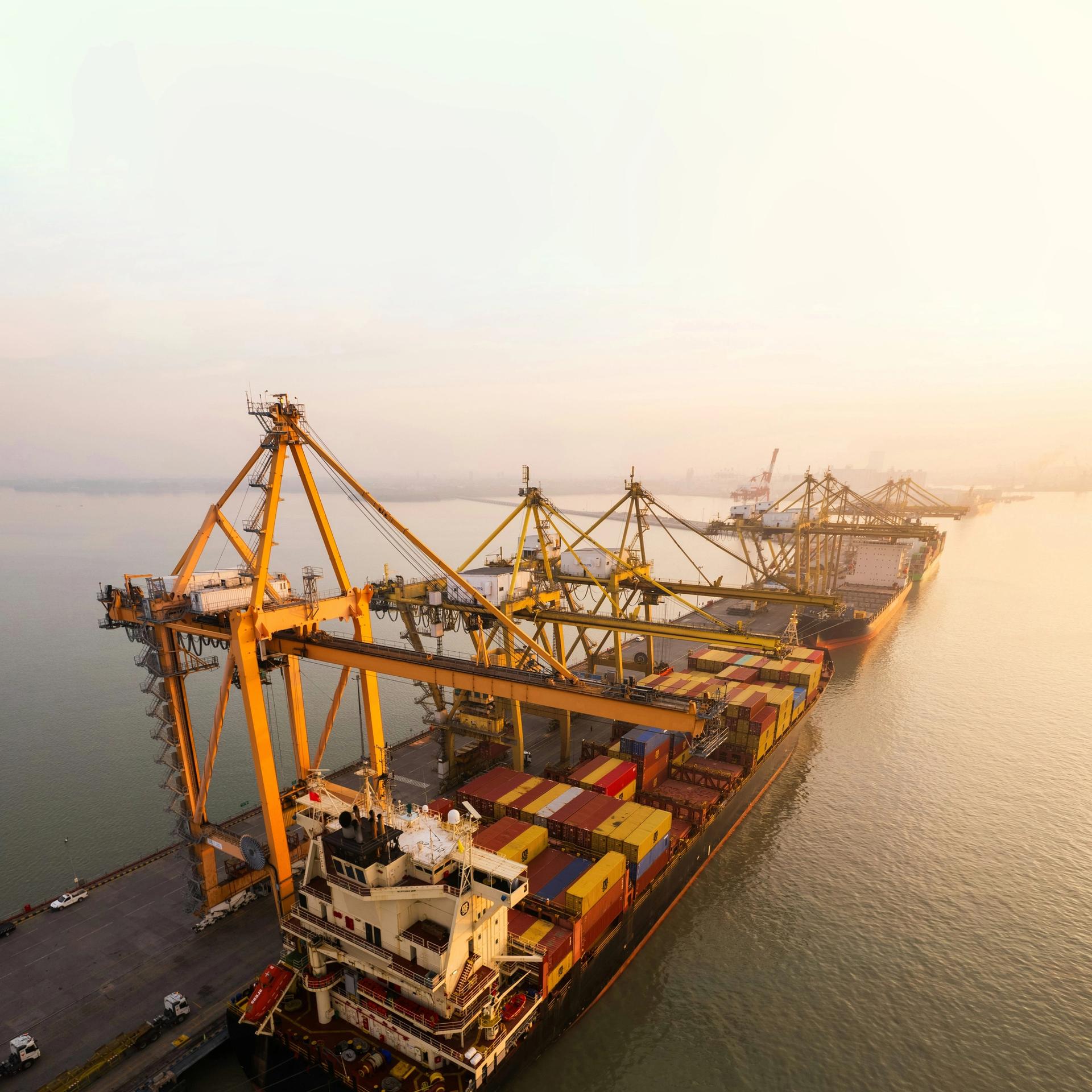
• Logistical bottlenecks in global shipping corridors
• Political pressure from oil-exporting nations
Events entirely outside Europe's control can constrict prosperity across the continent. The EU needs a fundamental reconstruction of its energy system—one that prevents foreign conflicts.
East Asia's parallel struggle
Many East Asian nations face a strikingly similar disadvantage. Countries across the region lack large domestic oil reserves and rely heavily on Southwest Asia and other regions to meet their fuel needs.
Fuel emergencies in East Asia are made worse by inadequate stockpiles of critical fuels. When supply chains falter, these nations have limited buffers to absorb the shock. The economic consequences ripple through manufacturing, transportation, defense readiness, and daily life.
What are Synthetic Fuels?
What are Synthetic Fuels?
Synthetic fuels (sometimes called synfuels or e-fuels) are liquid fuels produced through chemical processes rather than extracted from crude oil. At AIRCO, we convert carbon dioxide (CO₂) and hydrogen (H₂) into fully formulated, drop-in synthetic fuels using our scalable AIRMADE™ Technology.
Key characteristics of synthetic fuels include:
• They function as drop-in replacements for conventional petroleum fuels
• They can be produced domestically, independent of crude oil imports
• They are compatible with existing engines, pipelines, and storage infrastructure
• They can be stockpiled for emergency use, just like conventional fuels
Unlike alternative energy sources that require entirely new infrastructure, synthetic fuels integrate directly into the systems nations already operate. This makes them an immediately actionable component of any national energy strategy.
The Role of Synthetic Fuels in Building Energy Resilience
The Role of Synthetic Fuels in Building Energy Resilience
An additive resource
Synthetic fuels serve as an additive resource—a domestic supplement to a system currently constrained by natural supply.
This additive nature is precisely what makes synthetic fuels strategically valuable. A nation does not need to replace 100% of its crude imports overnight. Even a modest domestic synthetic fuel capacity provides:
• A buffer against sudden supply disruptions
• Reduced dependence on any single import source
• A foundation for scaling production over time
• Strategic stockpiling capability for defense and emergency use
On-site production changes the equation
Systems like AIRCO's MAD Fuel System™ enable on-site production of synthetic fuels and adjacent products. This capability fundamentally changes the energy equation for import-reliant countries.
Traditional fuel supply chains stretch across thousands of miles and dozens of jurisdictions. Every link in that chain represents a potential failure point. We design our systems to dramatically shorten that chain—producing fuel where it is needed, when it is needed.
On-site synthetic fuel production offers several distinct advantages:
• Eliminates dependence on transoceanic shipping corridors
• Reduces exposure to price manipulation by foreign producers
• Creates domestic jobs in fuel production and carbon conversion
• Provides military and civilian emergency fuel capacity
The Path Forward: Policy and Strategy
The Path Forward: Policy and Strategy
National resilience begins with building an energy system that can survive and thrive independently of crude shortages. Governments in Europe and East Asia should consider synthetic fuels as a core pillar of energy policy, not a niche experiment.
We recommend three strategic priorities for policymakers:
• Invest in domestic synthetic fuel production capacity. Even modest initial investments create meaningful buffers against supply disruption.
• Integrate synthetic fuels into national stockpiling strategies. Domestically produced fuels can fill strategic reserves without relying on goodwill from foreign suppliers.
• Partner with proven technology providers. Accelerating adoption requires working with organizations that have demonstrated scalable, operational systems.
Building Resilience With AIRCO
Building Resilience With AIRCO
At AIRCO, we design, build, and deploy the systems that give nations control over their own fuel supply.
AIR&D is the engine that drives continuous improvement in carbon conversion efficiency, fuel quality, and production scalability. We work with government and industry partners to bring domestic synthetic fuel production from concept to operational reality.
Energy resilience is not an abstract idea. It is a measurable capability—barrels produced, reserves filled, supply chains shortened, and risks reduced.
Frequently Asked Questions
Frequently Asked Questions
What is the difference between synthetic fuels and biofuels?
Synthetic fuels are produced through chemical processes—typically converting CO₂ and H₂ into liquid hydrocarbons. Biofuels are derived from biological feedstocks like crops, algae, or waste oils. Synthetic fuels do not compete with food production or require arable land.
Can synthetic fuels work in existing engines and infrastructure?
Yes. We design AIRMADETM synthetic fuels as drop-in solutions. They meet the same specifications as conventional petroleum fuels and work in existing engines, pipelines, storage tanks, and distribution networks without modification.
How does synthetic fuel production support carbon utilization?
Our AIRMADETM Technology captures and converts CO₂ into useful fuel products. This carbon conversion process turns a waste stream into a valuable energy resource, supporting both energy resilience and environmental goals.
Are synthetic fuels scalable enough to matter at a national level?
Scalability is central to our approach at AIRCO. Systems like the MAD Fuel System are designed for deployment at multiple scales—from tactical, on-site production to large-scale industrial output. Every unit of synthetic fuel produced domestically is one less barrel that must be imported.